
PILOT CASE STUDY: TRUCKING INDUSTRY
Trucking is the pilot industry because the outcomes are measurable and the problem is urgenT.
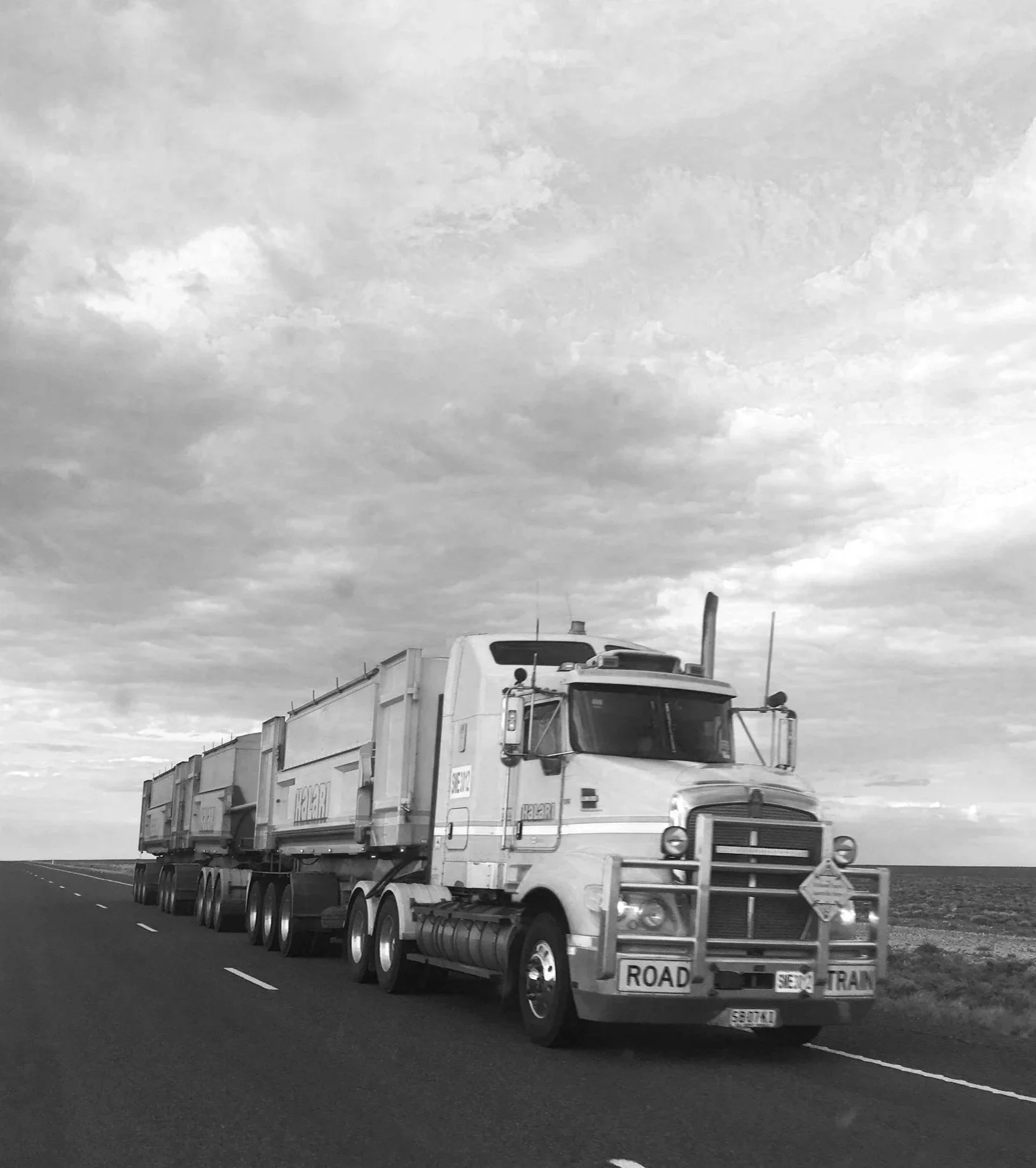
Professional drivers operate under continuous physical and mental demands while living much of their lives on the road. The outcomes that matter — hours worked, sleep compliance, certification retention, safety records, driver availability — are trackable. That makes trucking an ideal proving ground. When a driver loses certification, falls out of CPAP compliance, suffers a preventable injury, or exits the workforce, the carrier loses productive hours, route experience, recruiting investment, and workforce capacity. As qualified operators become increasingly difficult to replace, preserving experienced drivers is a strategic operational priority. Tour Vetted was built to address that problem directly
This Is Not Another Wellness Initiative.
This Is A DRIVER Workforce-Preservation Strategy.
This Is Not Another Wellness Initiative. This Is A DRIVER Workforce-Preservation Strategy.
Pilot Structure
PHASE ONE
Baseline Assessment
Driver shortages accelerating
Medical disqualifications rising
Experienced operators harder to replace
Turnover costs compounding
PHASE TWO
Targeted Intervention
Short practical protocols matched to individual availability barriers. Recovery routines. Compliance support. Movement breaks designed for cab environments. Sleep optimization. Behavioral accountability. Built for the workday, not a clinical schedule.
PHASE THREE
Measured Outcomes
Repeat assessment against baseline. Focus on operational metrics — hours of service utilization, certification duration, compliance rates, and incident trends. Physician oversight ensures responsible interpretation and credible reporting.
What Success Looks Like in the First 90 DayS
Increased CPAP compliance
Increased certification retention
Increased available driving hours
Improved HOS utilization
Preservation of qualified operators
Reduced preventable workforce loss
EXAMPLE OBJECTIVE:
Preserve or recover an average of 15 additional productive minutes per driver per day through improved compliance, readiness, certification retention, and operational availability. In a 100-driver fleet, that improvement creates approximately 25 additional productive operational hours every day before any additional hiring.